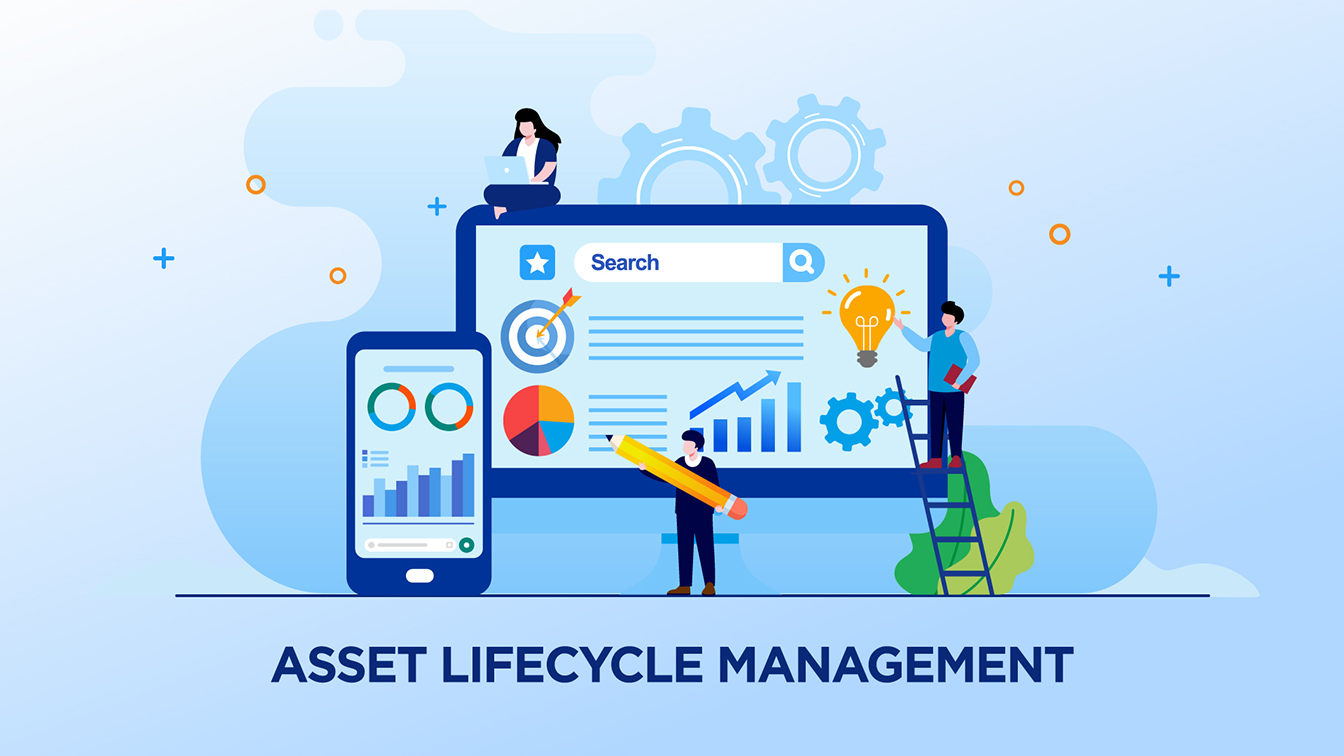
دورة حياة الأصول
يتيح العرض الشامل لمحفظة الأصول للمؤسسة إنشاء نهج منسق يستخرج أقصى قيمة. كما أن الزيادة في مرونة الأصول وكفاءتها تمكن المؤسسات كثيفة الأصول من التكيف معها الاضطرابات التجارية المحتملة such as an aging workforce, aging assets, demographic changes, renewables integration, and regulatory and market changes.A detailed overview of the asset lifecycle is key for organizations to evaluate the cost-effectiveness of their asset register. Breaking down the various lifecycle stages enables organizations to تحليل مدى جودة عمل كل أصل and the opportunities for cost savings.Regardless of the organization, industry, or asset, there are generally four stages to an asset’s lifecycle:
1. مرحلة التخطيط
This planning stage defines, assesses, and justifies the need for new and additional assets. The planning stage is critical to lifecycle management as it evaluates the current asset register against the business requirements and their capabilities to meet the business needs.Throughout the planning stage, يجب تقييم الوضع الحالي للأصول الموجودة. To remain competitive, asset-intensive organizations must ensure assets are providing value. The data gathered from this assessment will help recognize excess or under-performing assets.The planning process will تحديد ما إذا كان من الممكن الحفاظ على الأصول الموجودة أم لا. سيساعد هذا التحليل أيضًا في التنبؤ بقيمة عمليات الاستحواذ على الأصول المستقبلية للمؤسسة والتنبؤ بها.
2. مرحلة الشراء والنشر
The procurement stage is when an organization comes up with cost-effective solutions to meet the business requirements. Procurement involves several steps. Estimating options must be performed.Organizations must research what assets are available on the market, making comparisons to تحديد أفضل منتج بأفضل سعر متاح. Demos or trials should be undertaken to ensure the product meets business needs.Once an asset has been determined to be a worthwhile investment and its value fulfills business requirements and budget, يتم تحويل التقييم إلى الاستحواذ. The approval process will create an initial purchase order request and the said asset will be added to the organization’s asset portfolio.If necessary, the deployment stage is where the asset is assembled, installed and tested. Organizations should work with external vendors to conduct preliminary checks, testing for any performance issues.
3. مرحلة التشغيل والصيانة
After the purchase order has been fulfilled, the asset can be put to use. The operation aspect is the most important and longest stage of the asset’s lifecycle. This lifecycle stage aims to realize returns on investment and earn revenue.To this end, يجب مراقبة الأصل بشكل مستمر للتأكد من أنه يقدم الخدمات في الوقت المناسب.To ensure an asset’s functionality is fully realized, a collaborative approach between operation and maintenance is necessary. Facility managers must plan out appropriate maintenance and servicing schedules to monitor the asset’s performance.Maintaining the asset’s optimal working conditions requires the use of برامج تتبع الأصول and CMMS. Ongoing monitoring and maintenance will enable the asset to maximize its availability, resilience, and performance.In most asset-intensive organizations, preventive and predictive maintenance processes will improve equipment availability, allowing assets maximum opportunity to remain in useful operation and provide value for the organization.تعد تحليلت البيانات مهمة أيضًا أثناء مرحلة التشغيل والصيانة. Sound data analysis ensures insight-driven operations and maintenance. Integrating data into this lifecycle stage achieves the control organizations need to better perform predictive failure and improve its longevity.Feedback from data analysis is particularly useful for the planning of long-term assets, like buildings, which require ongoing maintenance to ensure their ongoing functionality.Ultimately, a data-centric approach is a prerequisite for effective asset lifecycle management in today’s digital-centric landscape. Analytic capabilities like those found in asset maintenance management software enable organizations to measure asset status in real time.Organizations are given the ability to diagnose and remedy issues before productivity is interrupted. This ability to perform preventative action secures greater ROI.
4. مرحلة التخلص والاستبدال
Eventually, every asset will become ineffective or reach the end of its productive life. This is the point when an asset has so deteriorated that it can no longer meet performance and productivity goals.At this stage of its lifecycle, ولم يعد من المجدي اقتصاديًا إجراء أعمال الصيانة أو الإصلاح المستمرة. بمجرد أن لا يفي الأصل بمتطلبات العمل، يجب تغيير حالة الأصل إلى منتهية الصلاحية. It must be shut down and separated from continuing operations safely.The organization must then assess whether to sell, recycle, dispose of, or replace the asset in question.If the asset is to be disposed of, appropriate disposal techniques must be employed. This ensures that the asset is handled according to regulatory standards and environmental compliance.If the asset in question maintained any confidential data, all data must be wiped and inaccessible before disposal. Moreover, if the asset needs replacement, تبدأ عمليات إدارة دورة الحياة من جديد.
خاتمة
There are considerable quantitative and qualitative benefits to be had from applying a systematic approach to asset lifecycle management. In addition to cost savings across areas such as labor and asset efficiency, organizations can realize improvements in managing risk, improving services and output, and preserving asset value.The use of CMMS and asset maintenance management software is critical throughout each asset lifecycle stage. The ability to review and improve processes leads to informed asset investment decisions.Done well, asset-intensive organizations can تقديم القيمة المثلى طوال دورة حياة الأصل.By strategically approaching asset lifecycle management, organizations can realize enhanced operational productivity while driving longer-term value for customers and shareholders alike.Looking to leverage software to strengthen your asset lifecycle management processes? Contact our Industry Sector specialists today to get started on StarCMMS, our asset lifecycle management software system. StarCMMS can help your business maximize the use of its assets, so get in touch with us today for an overview of our program and its many features.

0 تعليق